
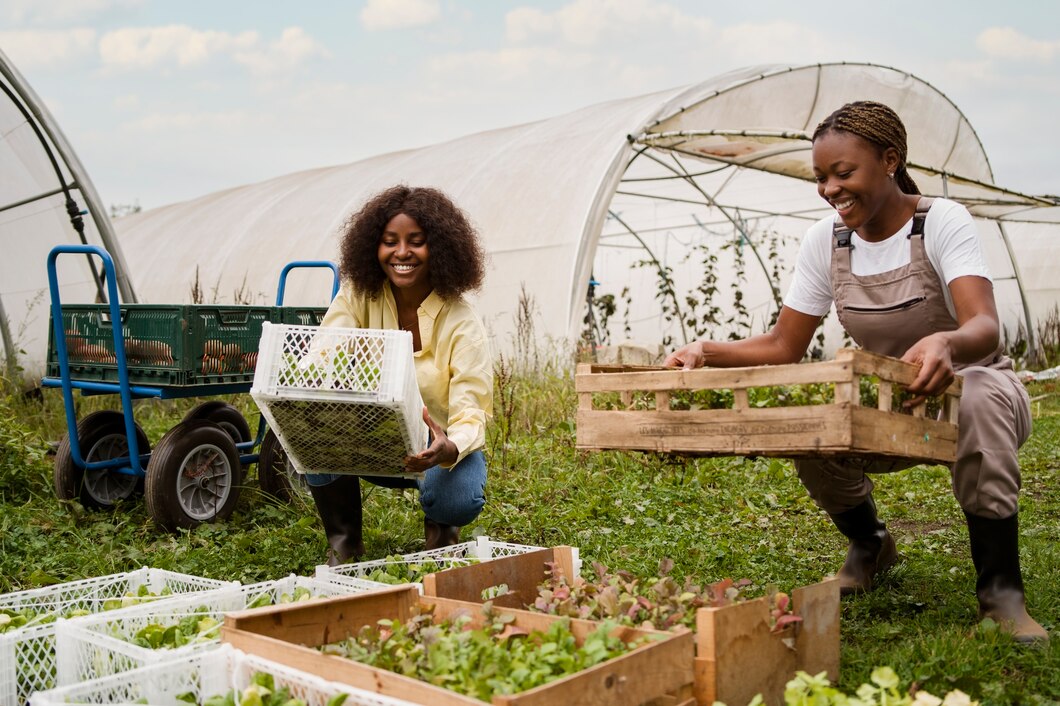
Why pick a farming learnership in 2025?
Farming learnerships give you practical work and book learning. You’ll get job skills and understand the reasons they work. This could be a great way to begin a lasting farming job.
Agriculture farming lacks enough skilled workers. Farming learnerships help fix this by training new people for jobs. This makes sure there are enough qualified workers in the future. Because agriculture farming is growing, there are more jobs for people with the correct skills.
Earn While You Learn: Financial Benefits – A Sustainable Start to Your Career
Learnerships offer a compelling advantage for those seeking to launch their careers: the opportunity to earn while you learn. Unlike traditional education paths that often require significant upfront investment and deferred income, many learnerships provide a stipend or allowance. This financial support is crucial, as it directly addresses living expenses such as transportation, accommodation, food, and other necessities while you are actively engaged in training.
Think of it as a stepping stone that allows you to bridge the gap between theoretical knowledge and practical application, without the financial burden that often accompanies skill development. This is a stark contrast to unpaid internships, where individuals often need to rely on personal savings or external support to sustain themselves during the training period. In a learnership, you are not only gaining valuable, industry-relevant skills, but you are also earning a regular income that contributes to your financial independence.
The financial benefits of a learnership extend beyond immediate relief from living expenses. By earning while you learn, you begin to build a foundation for financial responsibility and independence. You can learn to manage your income, potentially save for future goals, and gain a sense of accomplishment knowing you are contributing to your own well-being.
Furthermore, the skills acquired during a learnership are often directly aligned with the needs of employers. This increases your chances of securing full-time employment upon completion of the program. Combined with the financial cushion provided by the stipend during the training period, a learnership offers a financially sustainable way to start your career journey, setting you up for long-term success and a more secure financial future. In essence, it’s an investment in your future that pays you back from day one.
Are You Eligible? Meeting the Requirements for Agricultural Learnerships
To embark on a rewarding journey through agricultural learnerships, it’s important to understand the specific criteria you’ll need to meet to qualify. These requirements are in place to ensure that participants have a foundational understanding and maturity level that will allow them to thrive in the program. While the exact stipulations might vary slightly depending on the specific learnership and the sponsoring organization, some common threads run through most eligibility guidelines.
Typically, the most common requirements for agricultural learnerships center around education and age. Firstly, a minimum educational qualification is usually expected. Generally, you’ll need to have a Grade 9 education or higher. This level of schooling provides a basic foundation in literacy and numeracy, which is essential for understanding the theoretical and practical aspects of agriculture. Some learnerships may even require a Grade 10, 11, or even a matriculation certificate (Grade 12), particularly those focused on more specialized areas of agriculture.
Secondly, age is another crucial factor. Most learnership programs require applicants to be at least 18 years old. This age requirement acknowledges the maturity and responsibility needed to handle the demands of the learnership, which often involves practical, hands-on work in agricultural settings. Being 18 also aligns with legal frameworks regarding employment and responsibilities.
Let’s take a closer look at these typical requirements to better understand their significance:
- Educational Qualifications: While a Grade 9 education is often the baseline, consider that a higher level of education might provide you with a competitive edge. Demonstrating a strong understanding of science, mathematics, and language can significantly enhance your application. Think about showcasing any relevant coursework you may have completed, such as agricultural science or life sciences, even if it’s not a formal requirement.
- Age Requirement: The 18-year-old minimum age ensures that you are legally able to participate in the learnership program and take on the responsibilities associated with it. It also suggests a level of maturity and commitment deemed necessary for successful completion.
In summary, meeting these fundamental requirements is the first step towards securing a valuable agricultural learnership. Remember to carefully review the specific criteria outlined for each learnership you are interested in, as variations may exist. By ensuring you meet these qualifications, you significantly increase your chances of being selected and embarking on a fulfilling career in agriculture.
How To Apply:
Send your CV,
proof of qualifications that are certified,
and a sworn statement from the police proving you aren’t getting money from other groups,
to lwandisa@aspire.org.za
Use the subject line “ASPIRE Learnership 2025” in your email.



Greetings I am Lungiswa Dumisani.I am passionate with Farming I even went to college for Farming Management.. however I still the Leanership as will make me grow in understanding especially hands on experience
Thank you please call again
I’m phelokazi nogwaza I love farming also and I’m willing to learn more about farming and I want to have my own farming business one day thank you
I am looking for job and willing to work